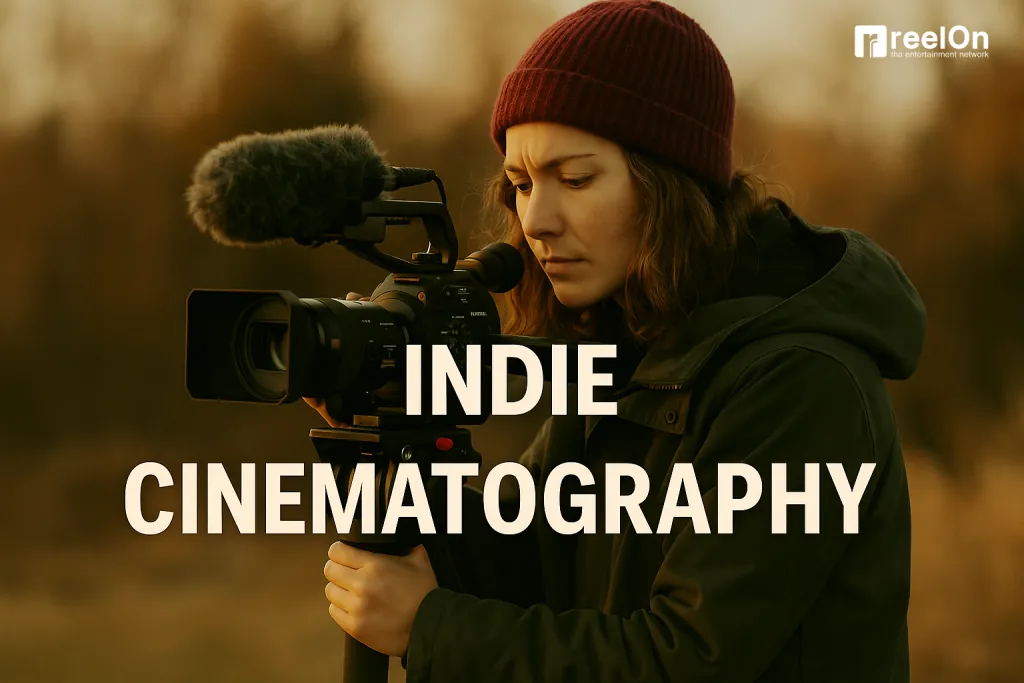
Indie Cinematography: Crafting Big Stories on Small Budgets
A single bulb flickers in a cramped apartment. A handheld camera drifts across a cluttered desk. A young filmmaker whispers “action” and two actors begin a raw, emotional scene. There’s no million-dollar crane shot, no elaborate studio lighting. And yet, when the footage is cut together, it feels powerful authentic, even cinematic.
That’s the magic of indie cinematography.
Unlike big-budget Hollywood productions, indie films are often born out of constraints limited money, small crews, and borrowed gear. But those very constraints push cinematographers to be more inventive, resourceful, and daring. They don’t rely on expensive toys to tell stories; they rely on craft, creativity, and the courage to break rules.
This guide dives into how indie cinematographers work, the techniques they use, and the lessons mainstream filmmaking can learn from them.
At reelOn, indie creators can showcase their work, connect with collaborators, and find opportunities no big studio needed.
What Defines Indie Cinematography?
Indie cinematography is not just about budget. It’s about philosophy:
Prioritizing storytelling over spectacle.
Using available resources instead of large studio setups.
Making bold stylistic choices without worrying about commercial demands.
Operating with smaller crews, often with the DP (Director of Photography) doubling as camera operator, gaffer, or even editor.
Indie cinematography thrives on adaptability. Where Hollywood may use a 100-person crew to light a scene, an indie team might use a desk lamp, a practical bulb, and reflectors to create the same mood.
Try reelOn - Entertainment Networking Platform
The Constraints That Shape Indie Visuals
Budget Limitations
Expensive cameras, drones, and rigs are often out of reach.
Indie filmmakers lean on DSLR/mirrorless cameras (Canon EOS R, Sony A7 series, Blackmagic Pocket Cinema).
Location Restrictions
No studio sets; real apartments, streets, and cafés become film sets.
Natural light and motivated practicals do most of the work.
Small Crews
Fewer hands mean multitasking. The DP might pull focus, operate lights, and monitor sound.
Time Pressure
Limited days of shooting means fewer takes and more improvisation.
Instead of killing creativity, these limitations often spark it.
Lighting in Indie Cinematography
Lighting is often the biggest challenge for indie productions. Without trucks of equipment, indie filmmakers rely on:
Natural Light: Shooting during golden hour for cinematic warmth.
Practical Lights: Lamps, neon signs, candles, car headlights integrated into the scene.
DIY Gear: Shower curtains as diffusers, aluminum foil as reflectors, cheap LED strips for accents.
Available Light Aesthetic: Inspired by realism, many indie films embrace grain, shadows, and imperfection.
Case Study – Moonlight (2016):
Barry Jenkins’ Oscar-winning indie masterpiece used practical sodium-vapor streetlights to paint Miami in hues of blue and gold. Cinematographer James Laxton leaned into available urban lighting to create intimacy and realism.
Camera Work in Indie Films
Common Traits:
Handheld Shooting: Adds immediacy, intimacy, and raw energy.
Minimal Rigs: Tripods, sliders, and sometimes improvised dollies (wheelchairs, skateboards).
Close-Ups: Intimate storytelling through character detail instead of wide spectacle.
Static Long Takes: Saves time and budget while deepening immersion.
Case Study – Clerks (1994):
Shot on a shoestring budget by Kevin Smith, the entire film leaned on static camera setups in one convenience store, proving story trumps equipment.
Composition & Framing Choices
Indie cinematographers often use framing to maximize emotional weight.
Tight Framing: Reflects claustrophobia or intimacy in small spaces.
Negative Space: Highlights loneliness or existential themes.
Rule Breaking: Cropped heads, shaky pans, or “imperfect” framing become stylistic signatures.
Example – Lady Bird (2017):
Greta Gerwig and DP Sam Levy used off-center framing and naturalistic color palettes to emphasize adolescence and identity.
Sound and Indie Cinematography
While not directly a cinematography element, sound interacts with visuals. Indie films often:
Capture sound with minimal gear.
Use ambient location sound to heighten realism.
Rely on silence and diegetic sound (sound that comes from the scene itself) instead of expensive scores.
Case Study – The Blair Witch Project (1999):
Shaky handheld cinematography paired with raw, ambient sound created an authentic documentary-like horror that terrified audiences.
Color & Aesthetic in Indie Films
Color grading choices are key to the indie look:
Muted Tones: Suggest realism (Nomadland).
Bold Color Palettes: Evoke mood (Moonlight’s neon blues/pinks).
Film Grain & Texture: Many indies embrace digital noise or shoot on 16mm for texture.
Technology that Empowered Indie Cinematography
Digital Cameras: Canon 5D Mark II revolutionized indie cinema in the late 2000s.
Affordable Editing Software: DaVinci Resolve, Final Cut, Premiere Pro.
Streaming Platforms: Distribution opportunities mean indies no longer need theatrical release to reach millions.
Beyond streaming platforms, the reelOn helps indie creators showcase their work, connect with audiences, and discover collaborators on-the-go.
Key Lessons from Indie Cinematographers
Story First: Equipment supports, but doesn’t drive, the narrative.
Use Constraints Creatively: A single room can tell a world of stories.
Naturalism Works: Don’t fear imperfections; they can add authenticity.
Collaboration: Smaller crews often build deeper creative synergy.
Bold Choices: Indies can break cinematic “rules” mainstream films can’t.
Closing Shot: Cinema Without Permission
Indie cinematography proves that you don’t need Hollywood money to make cinematic art. What you need is vision, adaptability, and courage. Some of the most influential films of the past 30 years (Moonlight, Whiplash, Lady Bird, Blair Witch Project) came from indie teams who turned constraints into opportunities.
The next time you pick up a camera, remember: it’s not about how much gear you have, but how deeply you see. Indie cinematographers remind us that cinema belongs to everyone.
FAQs
What is indie cinematography?
A. It’s the visual storytelling style of independent films, usually made with small crews and budgets but high creativity.Do indie filmmakers use professional cameras?
A. Sometimes, but many iconic indies were shot on DSLRs, handhelds, or even iPhones (Tangerine was shot on iPhone 5s).What’s the biggest advantage of indie cinematography?
A. Creative freedom fewer rules, more experimentation.Can handheld cinematography be professional?
A. Yes. If motivated by story, handheld adds authenticity.What’s the role of color in indie films?
A. Colors often reflect emotion and realism, not spectacle.Are indie DPs also directors?
A. Sometimes. Indie budgets often push crew to multitask.What’s the cheapest way to start indie cinematography?
A. A basic DSLR/mirrorless, a lav mic, and good use of daylight.Why are indie films important for cinema?
A. They keep storytelling raw, experimental, and accessible beyond big studios.How do indies handle lighting without expensive gear?
A. They use natural light, practical bulbs, and DIY tools.Why do indie films look different from Hollywood?
A. Because they often embrace imperfection: handheld shots, grain, muted tones.

